Lussekatter or Swedish Saffron buns
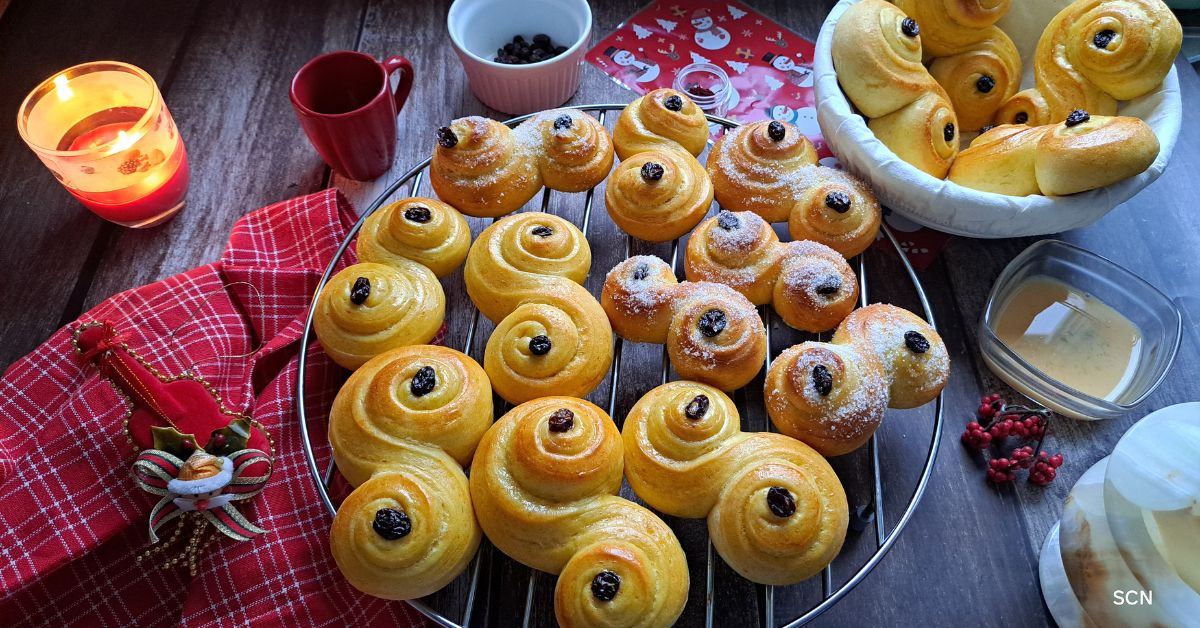
Lussekatter, also known as Swedish saffron buns or Lucia buns, are a traditional treat made in Sweden during St. Lucia’s Day on December 13. These soft, lightly sweetened, and aromatic buns achieve their golden yellow colour through the use of saffron. Their unique “S” shape is reminiscent of a curled cat, which is where the name “Lussekatter” (Lucia cats) comes from. They have a unique golden colour and delicate flavour. Their festive shapes make them a favourite during the holiday season. They are especially popular on Saint Lucia’s Day. On this day, Swedes celebrate light and hope in the heart of winter. This introduction will explore the origins of Lussekatter, their special ingredients, and the tradition behind their distinct appearance.
The Origin of Lussekatter
Lussekatter or Swedish saffron buns have deep roots in Swedish culture. The name “Lussekatter” means “Lucia’s cats” and refers to Saint Lucia, whose day is celebrated on December 13th with a festival of lights. Originally, the buns symbolised protection against darkness and evil. The “S” shape of the buns represents a mythical creature, usually a cat, which Saint Lucia supposedly tamed by offering these bright-coloured treats. Over time, Lussekatter has become an essential part of Swedish holiday festivities, spreading warmth and light during the darkest days of the year.
The Ingredients that Make Lussekatter Special
Lussekatter stands out primarily because of one ingredient: saffron. This precious spice gives the buns their iconic yellow colour and subtle floral taste. In addition to saffron, the dough typically includes flour, egg, butter, sugar and yeast, making it rich yet fluffy. Many bakers in Sweden prefer high-quality saffron for its depth of colour and aroma, which brings an authentic touch to the buns. Adding raisins or currants as decoration is also a tradition, with one or two placed in the curls of each bun for a hint of natural sweetness.
Explore more of my delicious bread recipes, from soft and fluffy white bread to hearty whole wheat loaves, perfect for every meal!
Shaping the Buns
One of the most distinctive features of Lussekatter is their shape. Traditionally, these buns are rolled and twisted into an “S” shape, with each end curled into a tight spiral. The classic “S” shape resembles a cat curled up, but there are many other traditional shapes like the “Julvagn” (Christmas cart). Each shape adds character and uniqueness to these holiday treats, making them as fun to make as they are to eat. Children and adults alike often enjoy shaping the dough, making the baking process an engaging family activity.
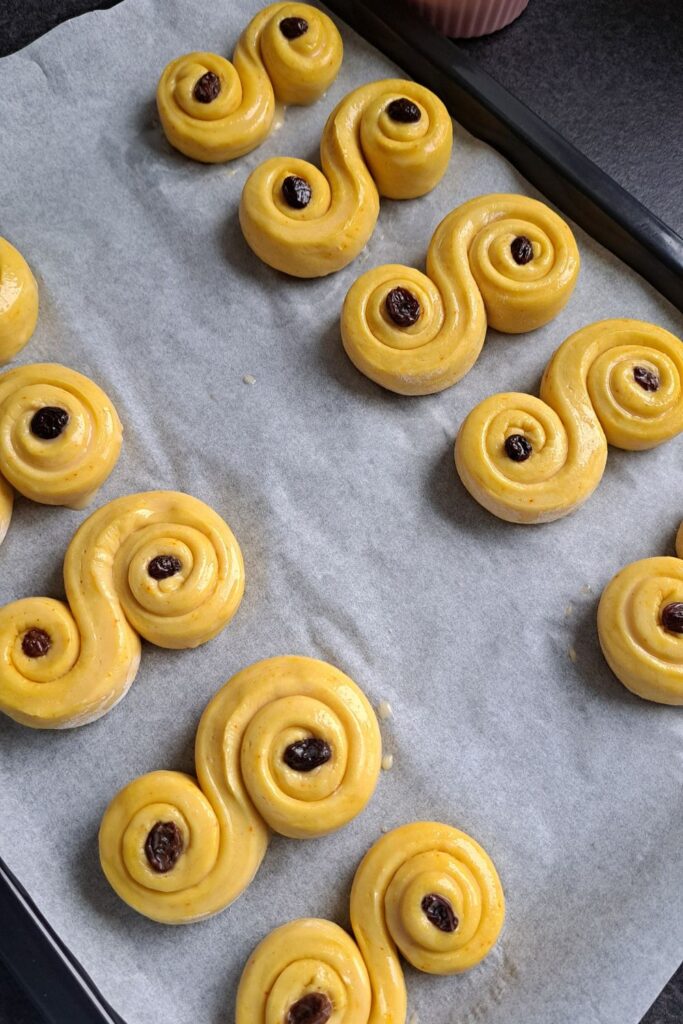
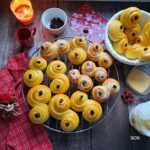
Soft, golden Lussekatter buns infused with saffron, perfectly shaped for a festive Saint Lucia’s Day treat.
A Part of Holiday Celebrations
Lussekatter plays a significant role in Swedish holiday celebrations, particularly on Saint Lucia’s Day. Families bake these buns early in the morning, and children dress as “Lucia” in white robes, wearing crowns of candles or tinsel. This day is a time to gather with loved ones, sing songs, and enjoy the warmth of fresh-baked Lussekatter with a cup of coffee or hot chocolate. The tradition of making Lussekatter allows families to bond over baking and honour Sweden’s cultural heritage, making it a cherished ritual year after year.
Lussekatter are more than just saffron buns. They are symbols of warmth, light, and tradition. With their vibrant colour, delicate saffron flavour, and timeless shapes, they add a special touch to the holiday season. Whether you’re celebrating Saint Lucia’s Day or simply savouring a piece of Swedish culture, Lussekatter brings joy to everyone at the table.

Lussekatter or Swedish Saffron buns
Ingredients
- 0.5 g saffron threads
- 250 ml whole milk
- 100 gms of butter melted
- 80 gms of sugar
- 1 packet 7g instant dry yeast
- 500-550 gms of all-purpose flour
- 1 tsp salt
- 1 egg
- 2 tbsps of Raisins for garnish
- For brushing
- 1 egg
- 1 tbsp water
- Sugar syrup
- ¼ cup sugar
- ½ cup water
- Butter glazed optional
- 2-3 tbsp melted butter
- ¼ cup sugar
Instructions
- Crush the saffron threads, soak the raisins in warm water and keep them aside.
- Melt the butter in a saucepan over low heat. Once melted, add the milk and heat the mixture until it’s lukewarm (around 37°C). This helps the yeast activate without scalding it.
- Pour the lukewarm mixture into a large bowl or a stand mixer bowl.
- Add the sugar, yeast, egg and crushed saffron.
- Let it sit for about 5–10 minutes until the yeast activates and becomes foamy. This step is optional if you are using instant dry yeast.
- Mix salt into the 500 grams of flour into the liquid mixture and start kneading. Add 1 tablespoon of more dough at a time and knead until a smooth dough forms. The dough should be soft but not sticky.
- Transfer it to an oiled bowl and let it rise for about an hour until doubles in size.
- After the dough has risen, punch it down and roll it out into a uniform rectangle, about ¼ inch thick. Aim for even thickness throughout, which helps ensure consistent baking.
- Using a pizza cutter, cut the dough into approximately 16 strips that are about 1 inch wide. Try to keep the strips uniform in width to make each bun similar in size and shape.
- Take one strip and start rolling it tightly from one end, coiling it toward the centre. When you reach the middle of the strip, stop rolling. Then, turn the strip around and roll from the other end toward the centre, creating an “S” shape with the two spirals facing opposite directions.
- Keep the dough covered with a damp cloth or plastic wrap during the resting and shaping stages to prevent a dry outer layer.
- Repeat the same for all the strips.
- Place the soaked raisin or currant in the centre of each spiral on both ends of the “S.”
- Arrange the shaped buns on a baking sheet lined with parchment paper, cover them lightly, and let them rise again for about 30 minutes before baking.
- This shaping method gives each Lussekatt a beautiful, symmetrical “S” shape and lets the spirals hold their shape well as they bake. Place a raisin in each curl.
- Let the buns rise for another 30 minutes until they’re puffy. This final proofing step will make the buns light and fluffy after baking.
- Preheat the oven to 220°C. Brush the buns with a beaten egg for shine, then bake for 8–10 minutes or until golden.
- For an extra moisture boost, brush the freshly baked buns with a light sugar syrup or melted butter. This adds a touch of sweetness and helps seal in moisture. However, this is optional.
Sugar syrup
- For lussekatter, sugar syrup can be brushed on after baking to give them a lovely sheen and slight sweetness.
- In a small saucepan, combine the sugar and water.
- Heat over medium heat, stirring occasionally, until the sugar dissolves completely.
- Once dissolved, bring the syrup to a gentle boil, then remove from heat.
- Let the syrup cool slightly, then brush it over the warm lussekatter just after they come out of the oven for a shiny, sticky finish.
Lussekatter with a Buttery Sugar Coated Twist
- Alternatively, Brush the lussekatter with melted butter and then roll them in sugar for a sweet and soft coating.
- Melt 2-3 tablespoons of butter.
- Once the lussekatter are out of the oven and slightly warm, brush each one generously with melted butter.
- Roll the buttered lussekatter in a plate of granulated sugar, making sure to coat all sides evenly.
- This will give them a delightful sugary crust and an extra bit of sweetness!
- Enjoy your freshly baked saffron buns!
- Lussekatter is best enjoyed fresh, often with coffee or glögg (Swedish mulled wine).
Notes
Frequently Asked Questions
Lussekatter, also known as Lucia buns or saffron buns, are a Swedish sweet bun flavoured with saffron. Bakers traditionally bake them in December, especially for Saint Lucia’s Day (December 13), and shape them into an “S” with a raisin or currant in each curl.
The bright yellow colour comes from saffron, a precious spice. This adds a unique aroma and slightly floral flavour to the buns.
All-purpose flour or bread flour works well for Lussekatter, as they provide structure while keeping the buns soft.
Lussekatter can dry out quickly due to the saffron. To keep them soft, cover them with a cloth after baking, and store them in an airtight container. If desired, slightly warm them before eating.
Yes, you can make the dough the night before and let it rise slowly in the refrigerator. This is especially useful for busy mornings as it saves time and often enhances flavour.
Store Lussekatter in an airtight container at room temperature for up to two days. For longer storage, freeze and thaw them as needed, then warm them in the oven for a fresh-from-the-oven texture.
Golden raisins, dried cranberries, or even chocolate chips (for a twist) work as alternatives, though traditionalists would use raisins or currants.
Saffron can be slightly drying, and dough may need extra moisture or warmth for optimal rising. Ensure your yeast is fresh, the liquid isn’t too hot, and let the dough rest in a warm place.
Knead the dough until smooth and elastic. This takes about 15-20 minutes by hand or 8-10 minutes with a stand mixer. Proper kneading helps achieve a light, fluffy texture.
Share Your Creations and Connect with Me on Social Media!
Have you tried this recipe? Don’t forget to tag me with your pictures on Instagram – I love to see your creations! 💕 Also, be sure to comment and rate below! Follow me on social media:
2 thoughts on “Lussekatter or Swedish Saffron buns”