Gobi Manchurian
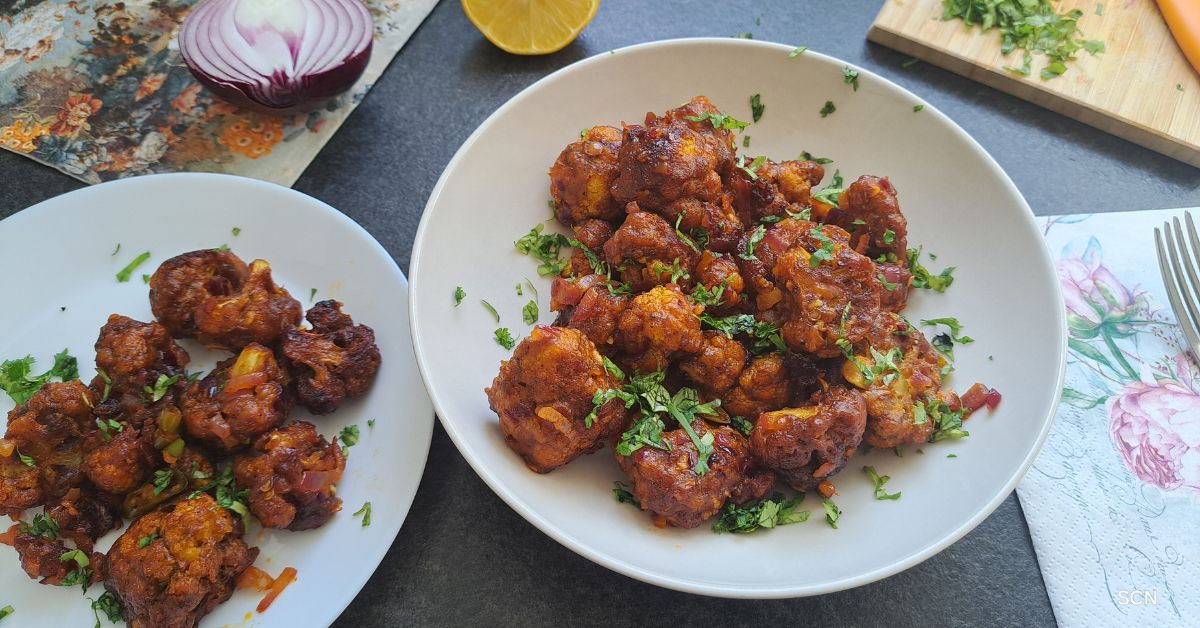
Gobi Manchurian is a dish that combines the best of two worlds—Indian and Chinese cuisine. It shows how food can bring together different cultures and create something new and exciting. It’s a dish loved by many and has become a staple in many Indian households and restaurants. Made from cauliflower, which is also known as “gobi” in Hindi. Whether you’re someone who enjoys spicy food or you have a soft spot for crunchy snacks, Gobi Manchurian has something to offer for everyone.
At first glance, Gobi Manchurian might just seem like another fried snack, but it’s so much more than that. The magic lies in the combination of crispy cauliflower florets and the rich, flavorful sauce that coats them. Cut the cauliflower into bite-sized pieces, dip them in a batter made from a mix of flours and spices, and deep-fry them until they turn golden and crunchy. This gives the cauliflower a lovely, crispy texture on the outside while keeping it tender on the inside.
Manchurian Sauce
The sauce is where the dish truly comes to life. It’s a beautiful mix of flavours—spicy, tangy, and slightly sweet. Made with soy sauce, tomato ketchup, chilli sauce, garlic, and ginger, the sauce is what gives Gobi Manchurian its signature taste. Also, a dash of vinegar for an extra tangy kick. The combination of these ingredients creates a sauce that’s rich and flavourful.
Dry vs Gravy: Two Delicious Variations
There are two popular versions of Gobi Manchurian: dry and gravy. The dry version is more like a snack or appetiser. Toss the crispy cauliflower in just enough sauce to coat it, making it perfect for munching on its own or serving as a starter. On the other hand, the gravy version has more sauce, making it ideal to pair with rice or noodles. The gravy is thick and rich, almost like a stew, and it clings to the cauliflower, making every bite deliciously saucy.
A Versatile Dish
It’s a dish that has evolved over time, with each cook adding their own touch to it. Some like it extra spicy, while others prefer a milder version. Some add bell peppers and onions for extra crunch and flavour, while others keep it simple with just the cauliflower and sauce.



Gobi Manchurian
Ingredients
For Frying the Cauliflower
- Cauliflower: 1 medium-sized cut into florets (I used 300gms of florets)
- 2 tbsp gram flour
- 1 tbsp rice flour
- 3 tbsp cornstarch
- 1 tsp Ginger-garlic paste
- 3 tsp Kashmiri chilli powder
- 1 tsp coriander powder
- 1 ½ tsp cumin powder
- 1 ½ tsp garam masala powder
- 1 tsp black pepper powder
- 2 tbsp lemon juice
- Salt to taste
- Water as needed to make a batter
- 2 tbsp oil plus Oil for deep frying
For the Sauce
- 2 tbsp oil
- 2-3 garlic cloves finely chopped
- 1- inch piece ginger finely chopped
- 1 – 2 Green chillies slit
- 1 Onion finely chopped
- 2 tsp Soy sauce
- 1 tbsp tomato ketchup
- 2 tbsp Chili sauce
- 1 tsp Vinegar
- 1 tsp sugar
- Cornstarch – 1 tablespoon mixed with 2 tablespoons water for slurry
- Spring onions/coriander leaves for garnish
- Salt and black pepper to taste
- Lemon optional, for serving
Instructions
- Break the cauliflower into small, even-sized florets and wash them thoroughly.
- Blanch (Optional): For a softer inside, blanch the florets in boiling water for 2-3 minutes and then cool them in ice water. This step can help remove any impurities and soften the cauliflower slightly.
- In a mixing bowl, combine gram flour, rice flour, cornstarch, ginger-garlic paste, red chilli powder, coriander, cumin, garam masala, black pepper, lemon juice, oil and salt.
- Add water gradually to form a smooth and thick batter.
- Marinate each cauliflower floret into the batter, ensuring it’s well-coated. Let this rest for 10 to 15 minutes.
- Heat oil in a deep frying pan over medium heat. The oil should be hot enough, usually around 175°C to 190°C. You can test this by dropping a small piece of batter into the oil. It should sizzle and rise to the top immediately.
- Carefully drop each floret one by one into the hot oil and fry until they turns golden brown and crispy. Avoid overcrowding the pan to maintain the oil’s temperature.
- Remove and drain on paper towels to absorb excess oil.
- Tip: When you're frying cauliflower with a masala coating, it's important to give them some undisturbed time in the hot oil right after you drop them in. This helps ensure that the coating adheres properly and achieves a crispy, golden texture.
Sauce
- In a separate pan, heat 2 tablespoons of oil over medium heat.
- Add chopped garlic, ginger, and slit green chillies. Sauté until they are fragrant and the garlic is slightly golden.
- Add the chopped onions. Stir-fry for about 2-3 minutes until they are slightly tender but still crunchy.
- Add soy sauce, tomato ketchup, chilli sauce, and vinegar to the pan. Mix well and let it cook for a minute. Add a few tablespoons of water.
- Add salt and black pepper to taste.
- Add the cornstarch slurry to the pan and stir continuously until the sauce thickens.
- Add the fried cauliflower florets to the sauce and toss well to coat evenly.
- Cook for another 1-2 minutes, allowing the cauliflower to absorb the flavours.
- Garnishing and Serving
- Garnish with chopped spring onions and serve hot.
- Dry Gobi Manchurian: Serve it as a starter or snack.
- Gobi Manchurian Gravy: For a gravy version, add more water and adjust the seasoning before adding the cauliflower.
Notes
Frequently Asked Questions
Gobi Manchurian is a popular Indo-Chinese dish made from deep-fried cauliflower florets that are tossed in a spicy, tangy, and slightly sweet sauce. The dish is a fusion of Indian and Chinese flavours, and it comes in two main variants: dry and gravy.
Dry Gobi Manchurian: The cauliflower is fried and then tossed with a small amount of sauce, making it crispy and ideal as an appetiser.
Gobi Manchurian Gravy: The dish has more sauce, making it suitable as a main dish that pairs well with rice or noodles.
Yes, you can make a healthier version by baking or air-frying the cauliflower instead of deep-frying.
Use less oil in the sauce.
Fry the cauliflower florets at the right temperature (medium-high heat).
Toss the fried cauliflower with the sauce just before serving to retain crispiness.
Avoid overcooking the sauce, which can make the dish soggy.
Cauliflower: You can fry the cauliflower ahead of time and store it separately.
Sauce: Prepare the sauce in advance, but combine it with the cauliflower only when ready to serve.
The oil might not be hot enough while frying.
The batter could be too thick or too thin.
You might have left the florets in the sauce for too long.
Dry Gobi Manchurian: Often served as an appetiser or snack.
Gobi Manchurian Gravy: Pairs well with fried rice, noodles, or even plain steamed rice.
Share Your Creations and Connect with Me on Social Media!
Have you tried this recipe? Don’t forget to tag me with your pictures on Instagram – I love to see your creations! 💕 Also, be sure to comment and rate below! Follow me on social media: